Cap d'Antibes
Phare de la Garoupe
Le phare de la Garoupe domine le Cap d’Antibes depuis le plateau, à environ 103 mètres au-dessus de la mer. Sa silhouette constitue l’un des repères les plus reconnaissables de la presqu’île.
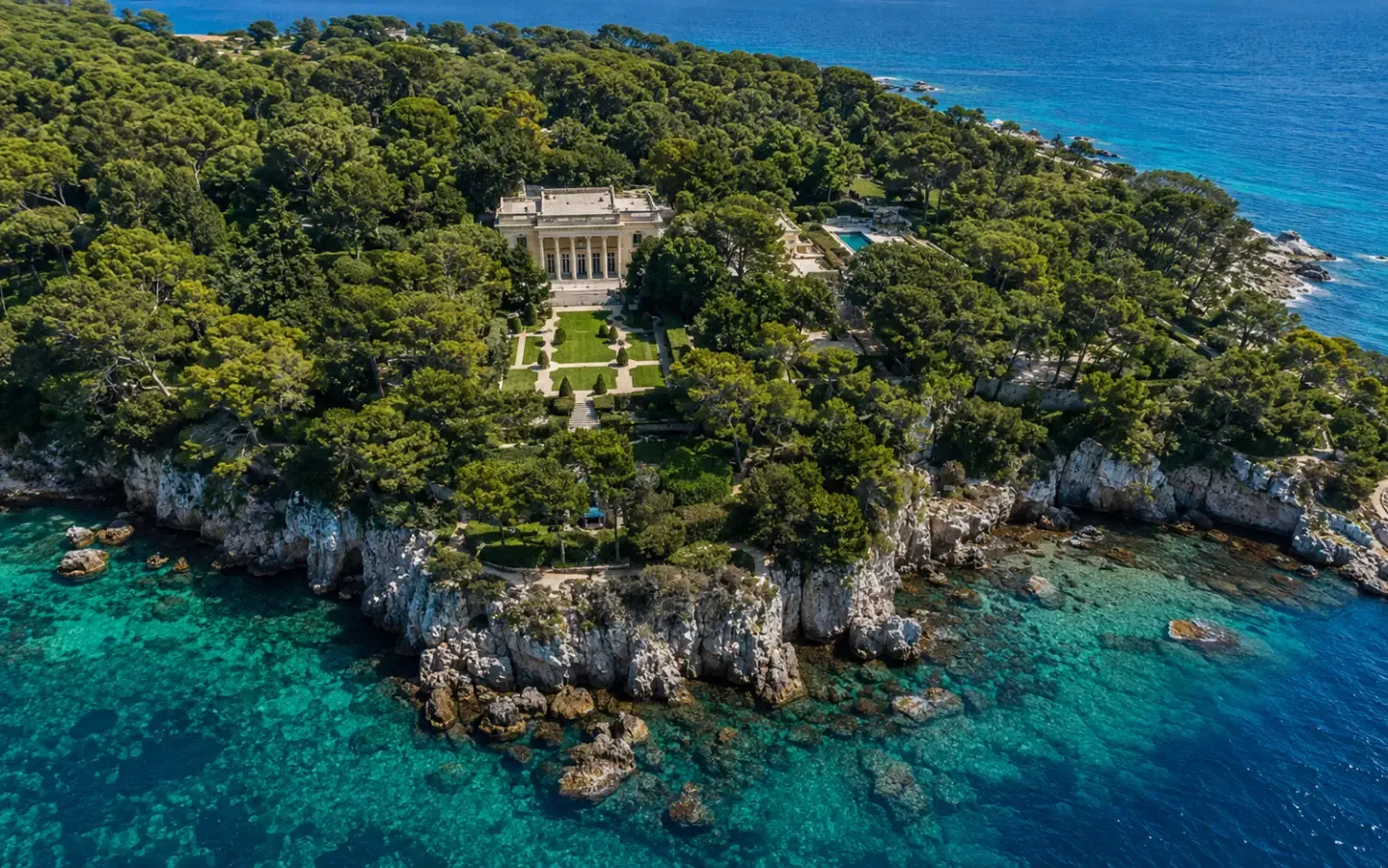
Cap · Antibes · Juan-les-Pins
Phare, chapelles, remparts, villas historiques, art public et patrimoine maritime.
13 lieux et ressources
Cap d'Antibes
Le phare de la Garoupe domine le Cap d’Antibes depuis le plateau, à environ 103 mètres au-dessus de la mer. Sa silhouette constitue l’un des repères les plus reconnaissables de la presqu’île.
Cap d'Antibes
La chapelle Notre-Dame de la Garoupe est l’un des sanctuaires les plus anciens du Cap d’Antibes. Installée à côté du phare, elle occupe un site dont l’histoire religieuse remonte à l’Antiquité et aux premiers temps chrétiens.
Cap d'Antibes
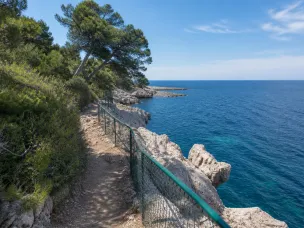
Le sentier du littoral, aussi appelé sentier de Tirepoil, longe la côte rocheuse du sud du Cap d’Antibes. Il relie le secteur de la Garoupe aux abords de la Villa Eilenroc et révèle la partie la plus sauvage de la presqu’île.
Antibes
Le Jardin Thuret est un jardin botanique créé en 1857 par Gustave Thuret et aujourd’hui administré par INRAE. Sur environ 3,5 hectares, il rassemble des espèces issues de régions méditerranéennes et subtropicales du monde entier.
Antibes
La Villa Eilenroc est l’une des grandes propriétés Belle Époque de la Côte d’Azur. Construite dans les années 1860, elle est entourée d’un vaste parc au sud du Cap et appartient aujourd’hui à la Ville d’Antibes.
Cap d'Antibes
Le port de l’Olivette est un petit abri de la côte ouest du Cap où sont amarrés des pointus en bois aux couleurs vives. Il conserve un lien vivant avec la tradition maritime locale et offre l’une des vues les plus photographiées de la presqu’île.
Cap d'Antibes
Le plateau de la Garoupe est le point haut accessible du Cap d’Antibes, à environ 103 mètres au-dessus de la mer. Par temps clair, le panorama relie l’Estérel, Cannes, les îles de Lérins, Nice, les Alpes et la côte italienne.
Antibes Est
Fort bastionné de la Renaissance entouré d’un parc méditerranéen protégé.
Fermeture possible par météo ou sécurité.
Antibes
La sculpture de Jaume Plensa domine le port depuis un ancien bastion maritime.
Vieil Antibes
Ancienne cathédrale d’Antibes, voisine du château Grimaldi.
Vieil Antibes
Chapelle du XVIe siècle classée, restaurée et richement décorée.
Vieil Antibes
Parcours à pied entre Porte Marine, remparts, Safranier et petites places historiques.
Juan-les-Pins
Parc de pins centenaires et parcours des artistes liés à Jazz à Juan.
Survolez ou sélectionnez un lieu dans la liste ou sur la carte. Zoomez ou déplacez la carte pour filtrer les résultats.
Informations vérifiées
Inventaire contrôlé le 12 août 2026. Les horaires, tarifs et conditions météo peuvent changer : vérifiez les informations pratiques avant votre visite.