Villas du Cap d'Antibes
Découvrez l'histoire et l'architecture des villas les plus emblématiques de la presqu'île.
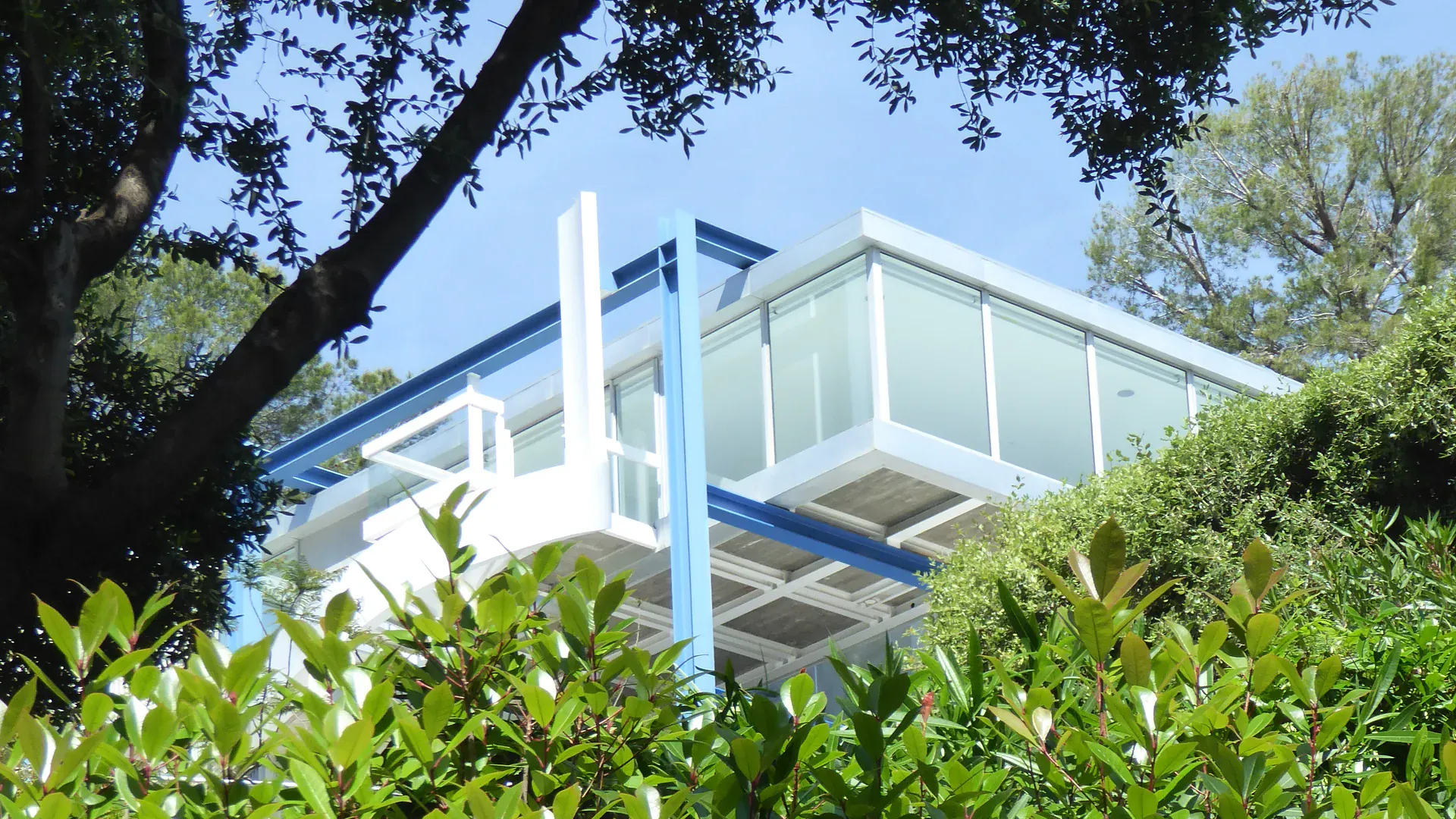
Villa Bloc
1961 · Claude ParentHistoire et données immobilières réunies sur une seule fiche
La Villa André-Bloc, également appelée Villa Bloc ou Villa Ex, est l’une des architectures les plus radicales du Cap. Claude Parent la construit en 1961 pour André Bloc, architecte, artiste et fondateur de la revue L’Architecture d’Aujourd’hui.
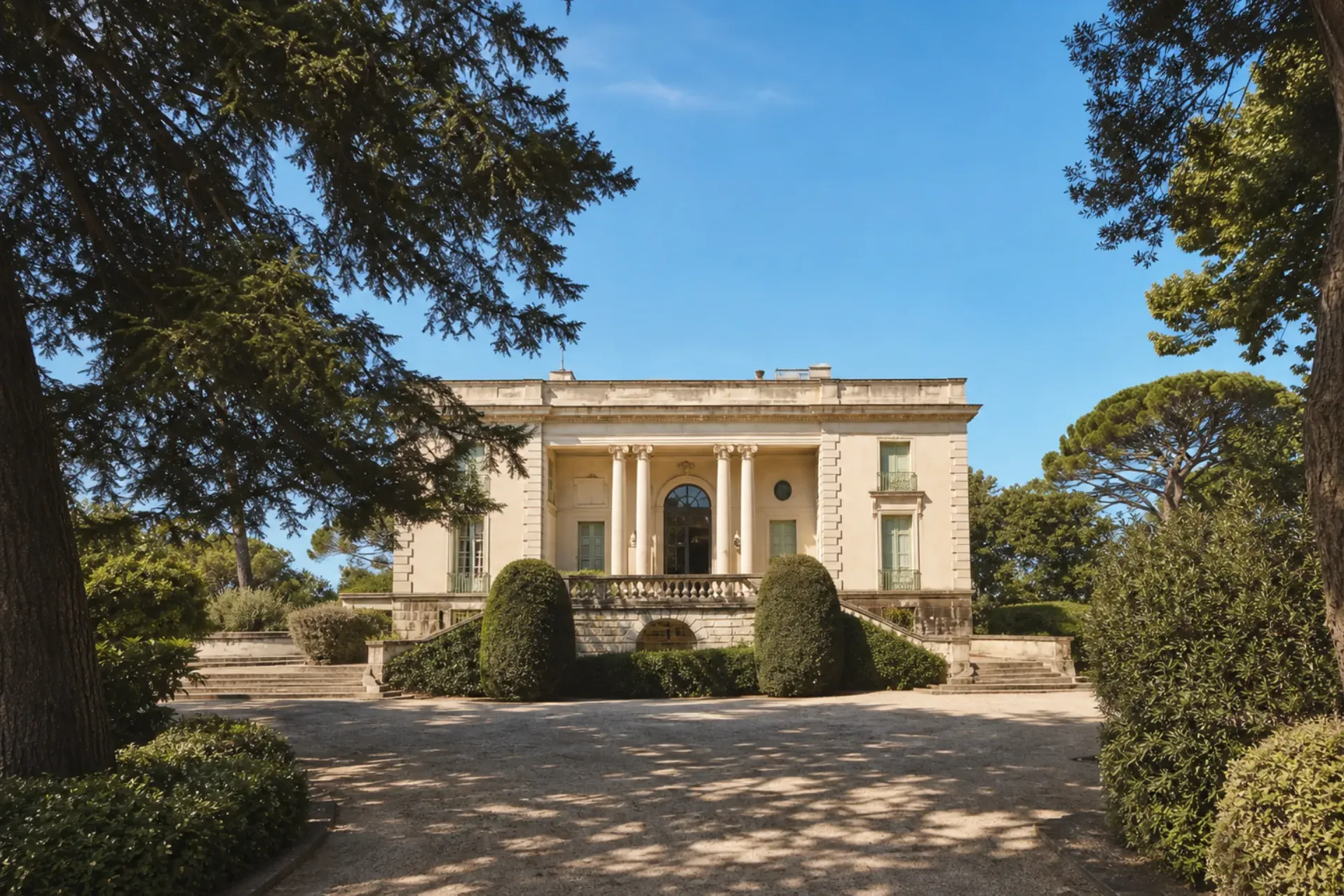
Les Chênes verts
1866 · Auguste AbeilleHistoire et données immobilières réunies sur une seule fiche
La Villa Les Chênes Verts compte parmi les plus anciennes demeures littéraires du Cap. Auguste Abeille la construit en 1866 pour le dramaturge Adolphe d’Ennery sur la façade orientale de la presqu’île.
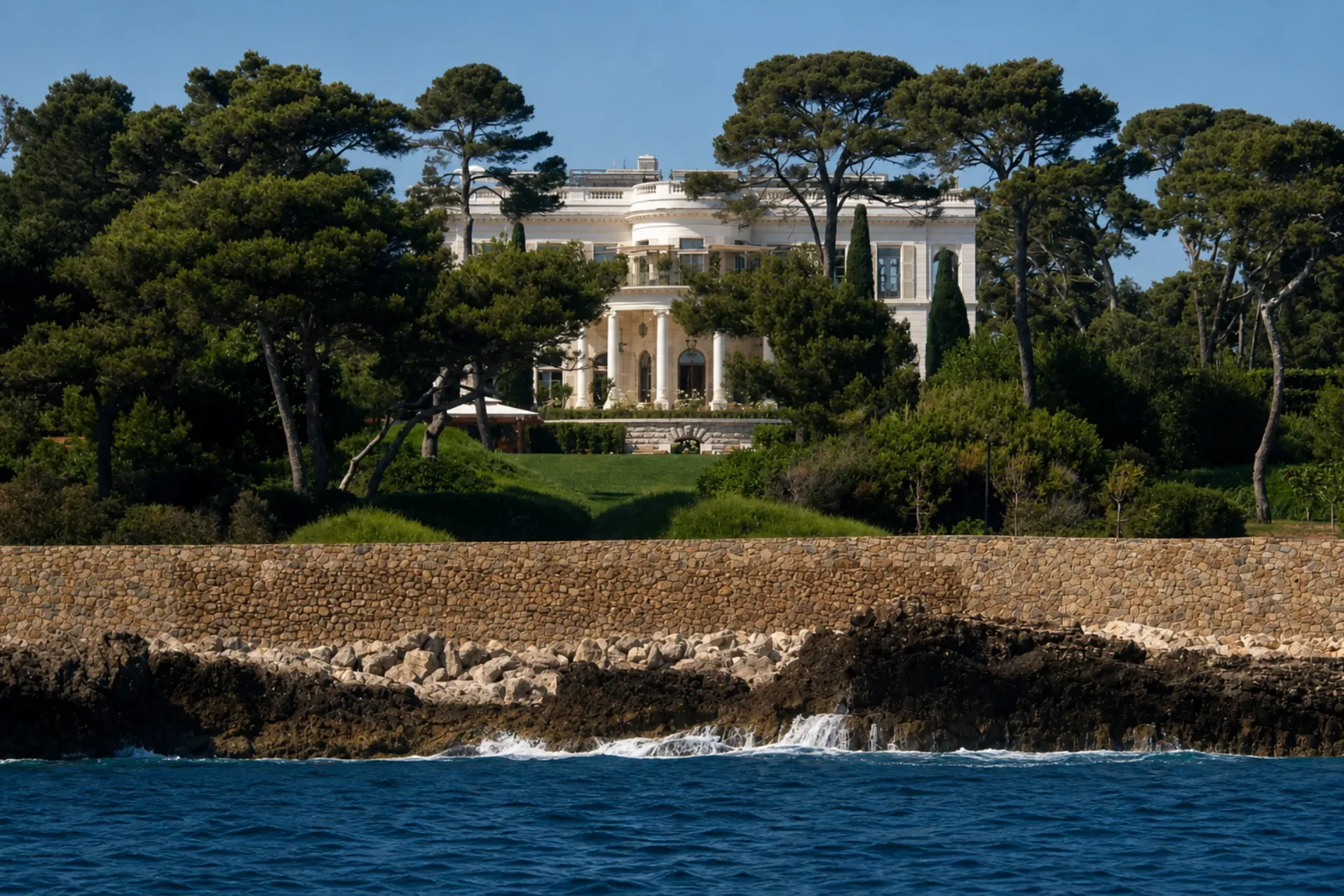
Château de la Croë
1927 · Armand-Albert RateauHistoire et données immobilières réunies sur une seule fiche
Le Château de la Croë est une vaste demeure classique achevée en 1927 au Cap d’Antibes. L’architecte et décorateur Armand-Albert Rateau l’a conçue pour Sir William Pomeroy Burton dans un parc descendant vers la mer.
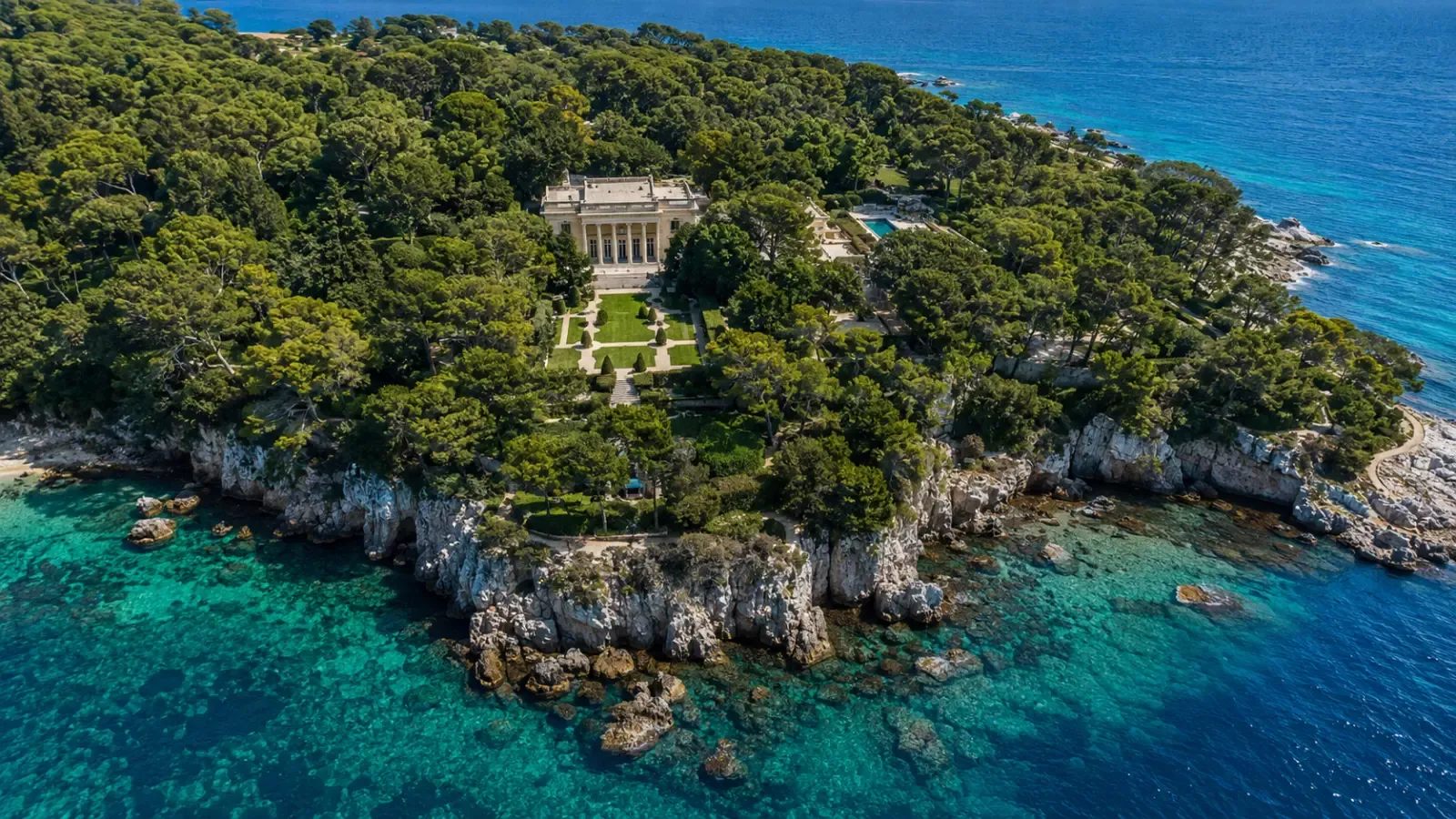
Villa Eilenroc
1867 · Charles GarnierHistoire et données immobilières réunies sur une seule fiche
La Villa Eilenroc est l’un des grands exemples d’architecture Second Empire du Cap d’Antibes. Commandée dans les années 1860 par Hugh-Hope Loudon, elle doit son nom à une anagramme du prénom de son épouse, Cornélie.
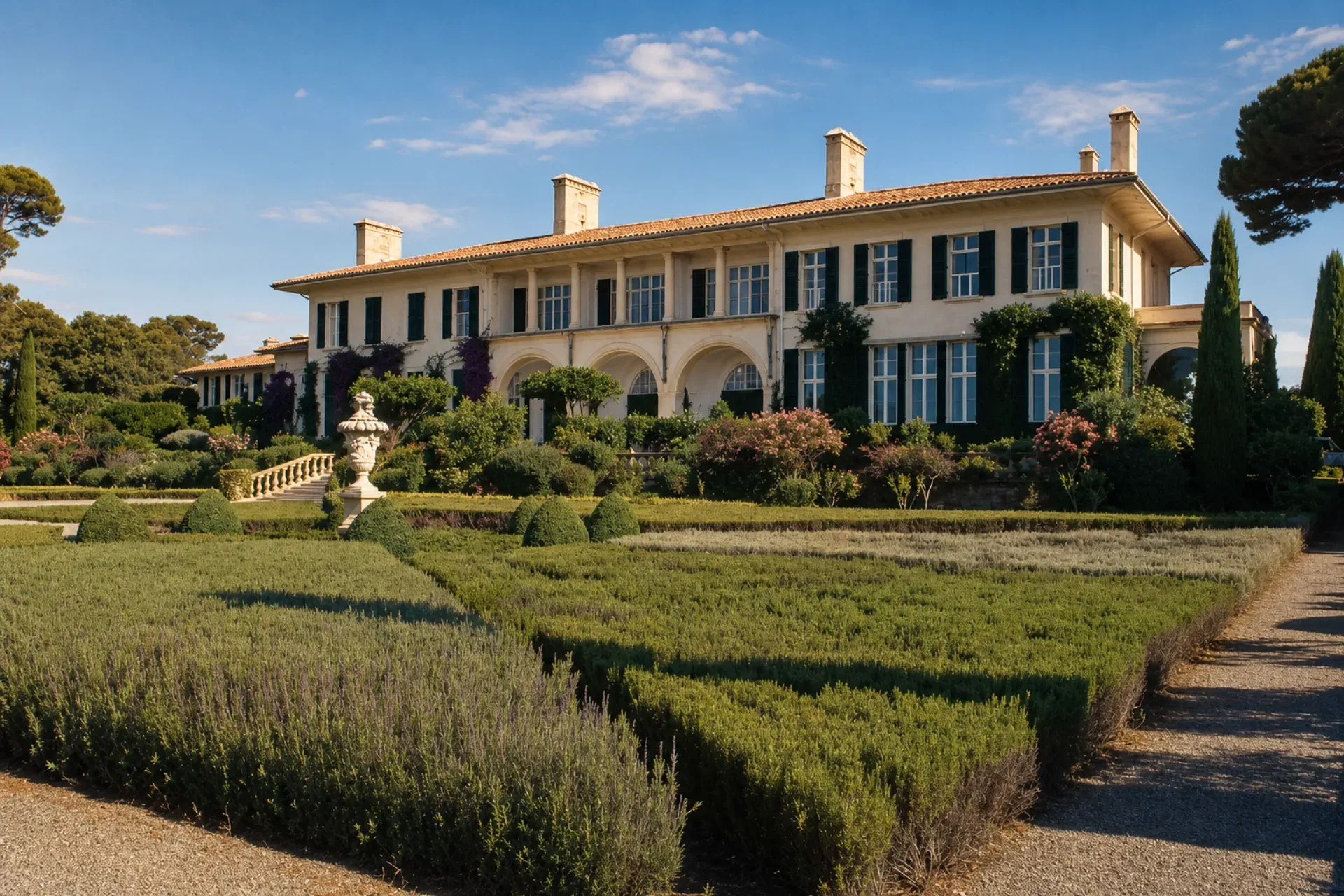
Château de la Garoupe
1907 · Ernest GeorgeHistoire et données immobilières réunies sur une seule fiche
Le Château de la Garoupe occupe une position dominante à la pointe du Cap. Charles McLaren, futur baron Aberconway, a acheté le terrain en 1907 et confié la construction aux architectes Ernest George et Alfred Bowman Yeates.
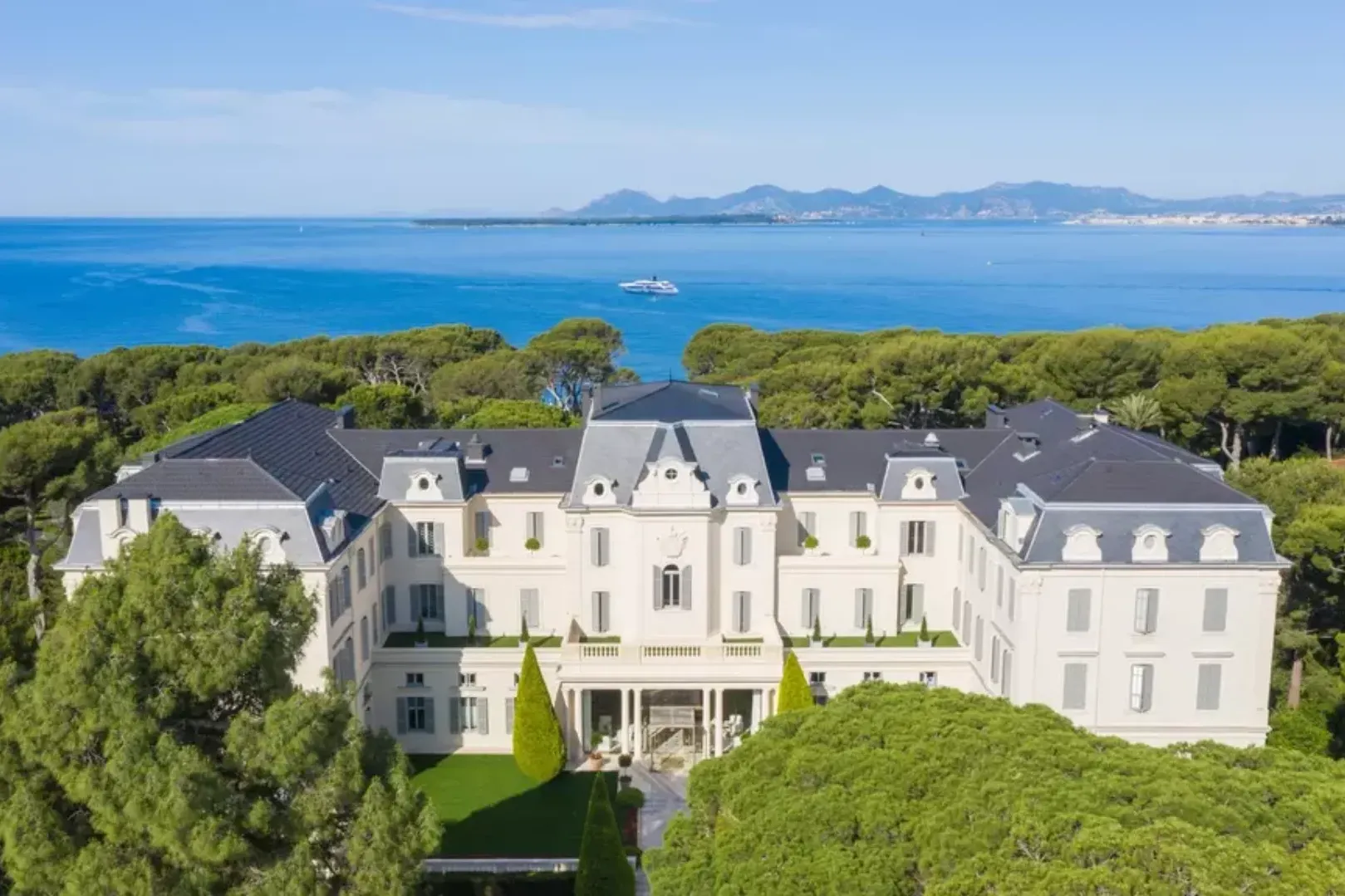
Grand Hôtel du Cap
1870
L’Hôtel du Cap-Eden-Roc est l’une des adresses historiques de la Côte d’Azur. Imaginé en 1869 par Hippolyte de Villemessant comme une retraite pour écrivains, l’établissement s’est progressivement imposé comme un hôtel de villégiature international.
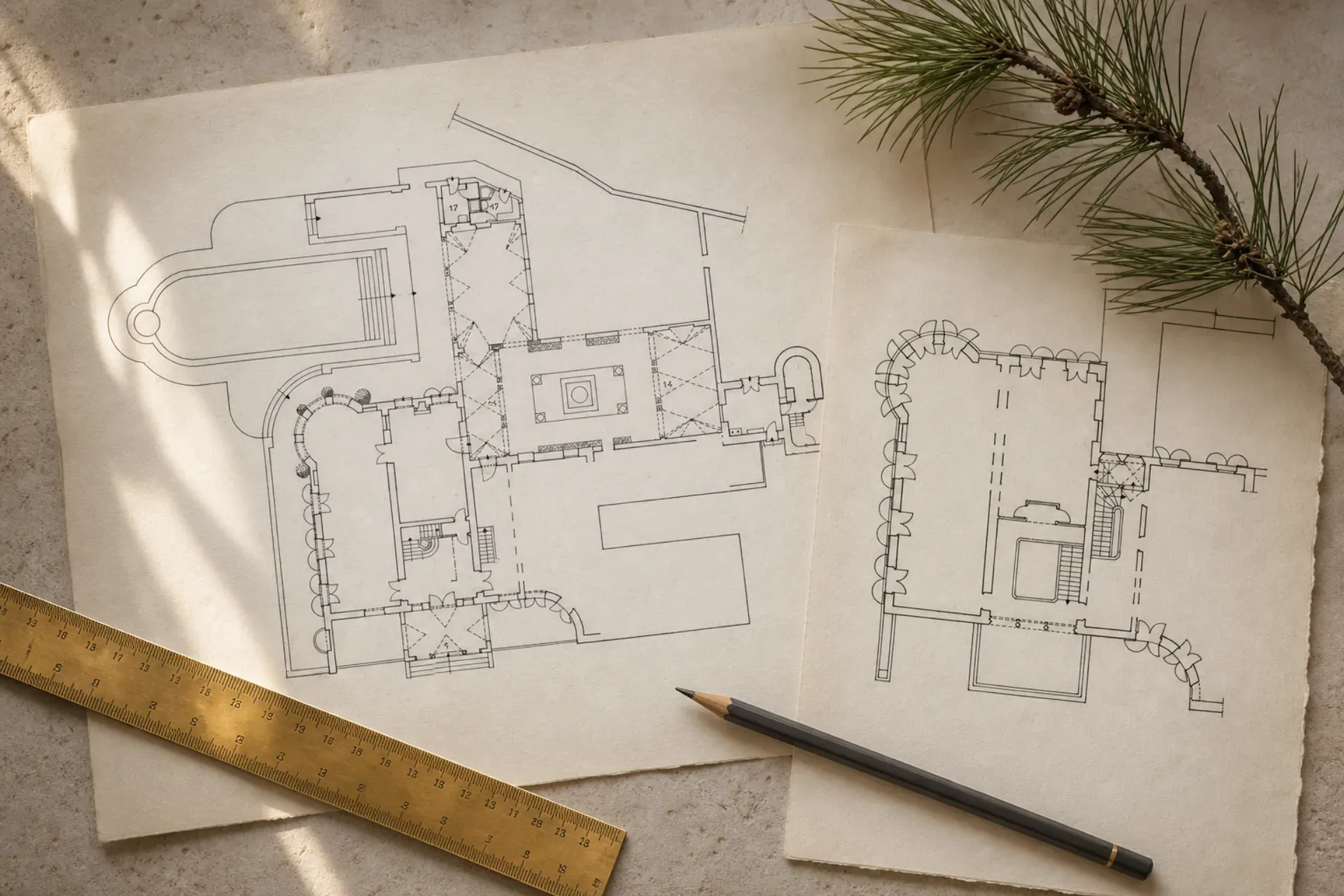
Villa Hier
1951 · Barry DierksHistoire et données immobilières réunies sur une seule fiche
La Villa Hier forme un pendant conceptuel à la Villa Aujourd’hui, toutes deux liées à Barry Dierks. L’architecte remanie la propriété en 1951 pour Anthony Edgar Somers, avec de nouveaux escaliers, un portique, un patio, une piscine et un pavillon.
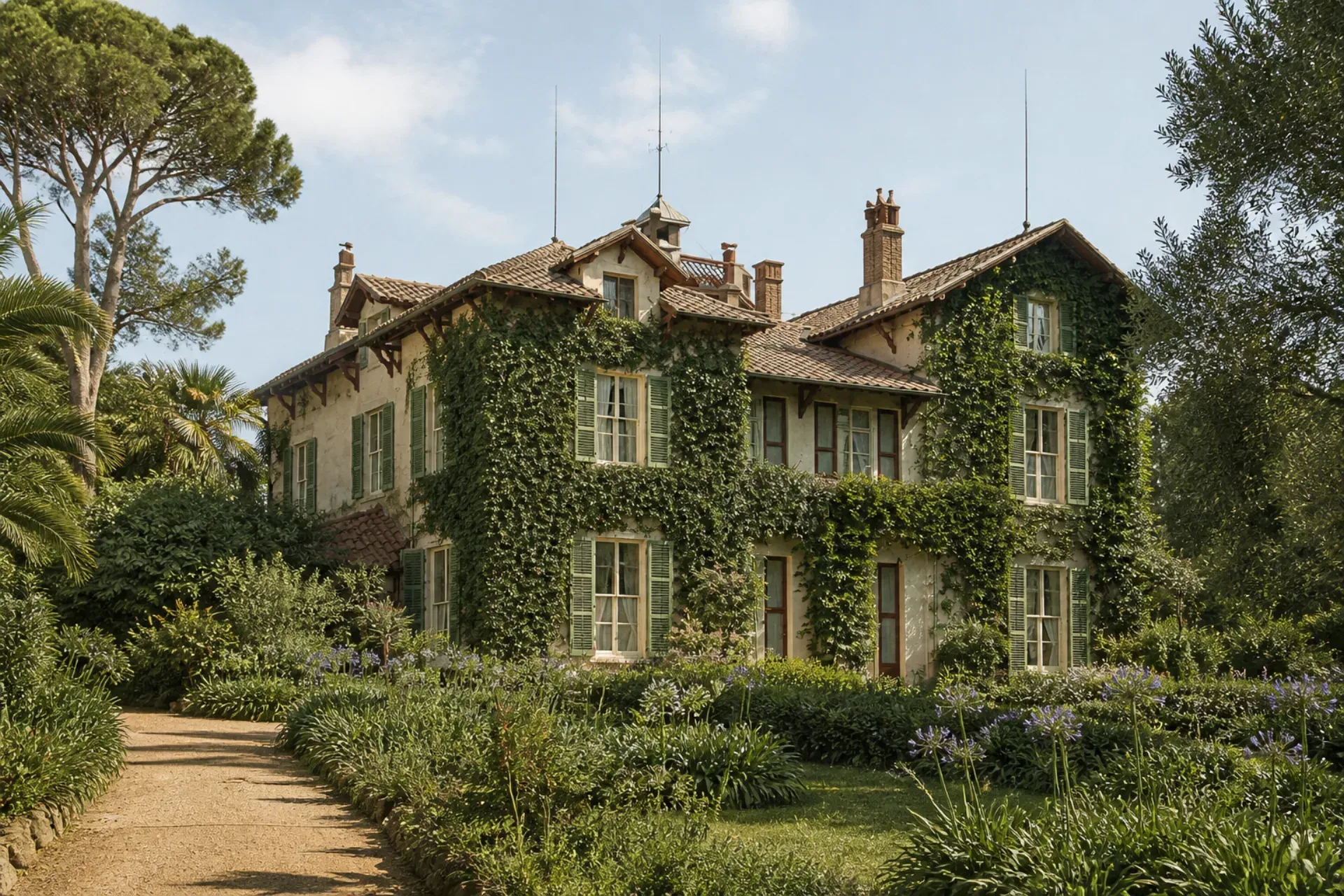
Villa Thuret
1857Histoire et données immobilières réunies sur une seule fiche
La Villa Thuret occupe une place fondatrice dans l’histoire du Cap d’Antibes. Le botaniste Gustave Thuret s’y installe en 1857 et crée autour de la maison un laboratoire privé consacré à l’acclimatation des plantes.
Villa Valrose
Hesselbrand (renovation)Histoire et données immobilières réunies sur une seule fiche
La Villa Valrose est une demeure de campagne néoclassique de la fin du XIXe siècle au Cap d’Antibes. L’atelier d’architecture Hesselbrand y mène une rénovation, une restauration et une extension destinées à retrouver l’ordre et les proportions classiques de la villa, tout en préservant son caractère historique.
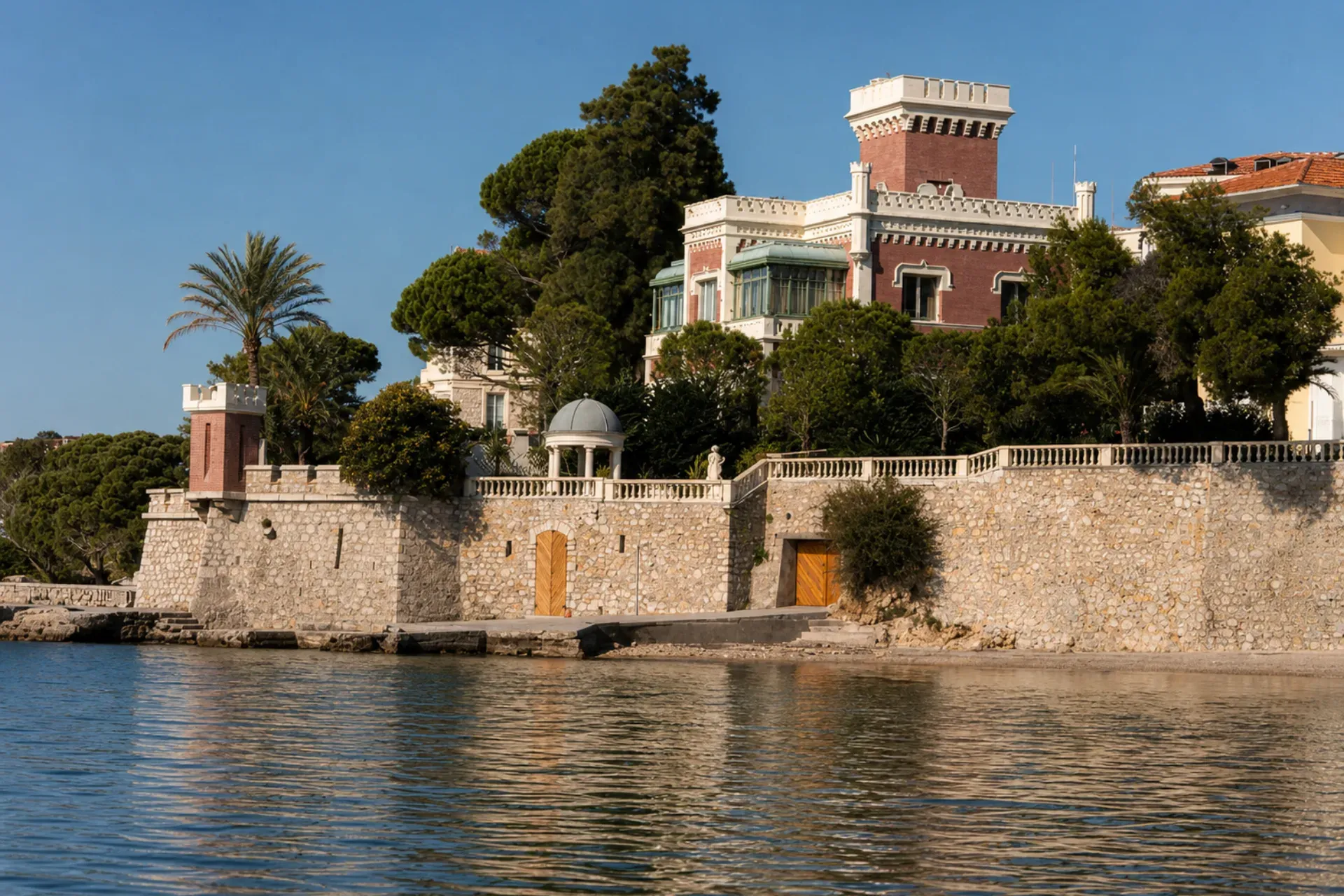
La Vigie
1912 · Lucien Stable
La Villa La Vigie se reconnaît à sa silhouette néogothique rose et à sa tour dominant le front de mer. Lucien Stable la construit en 1912 sur le boulevard Édouard-Baudoin, face aux îles de Lérins et à l’Estérel.
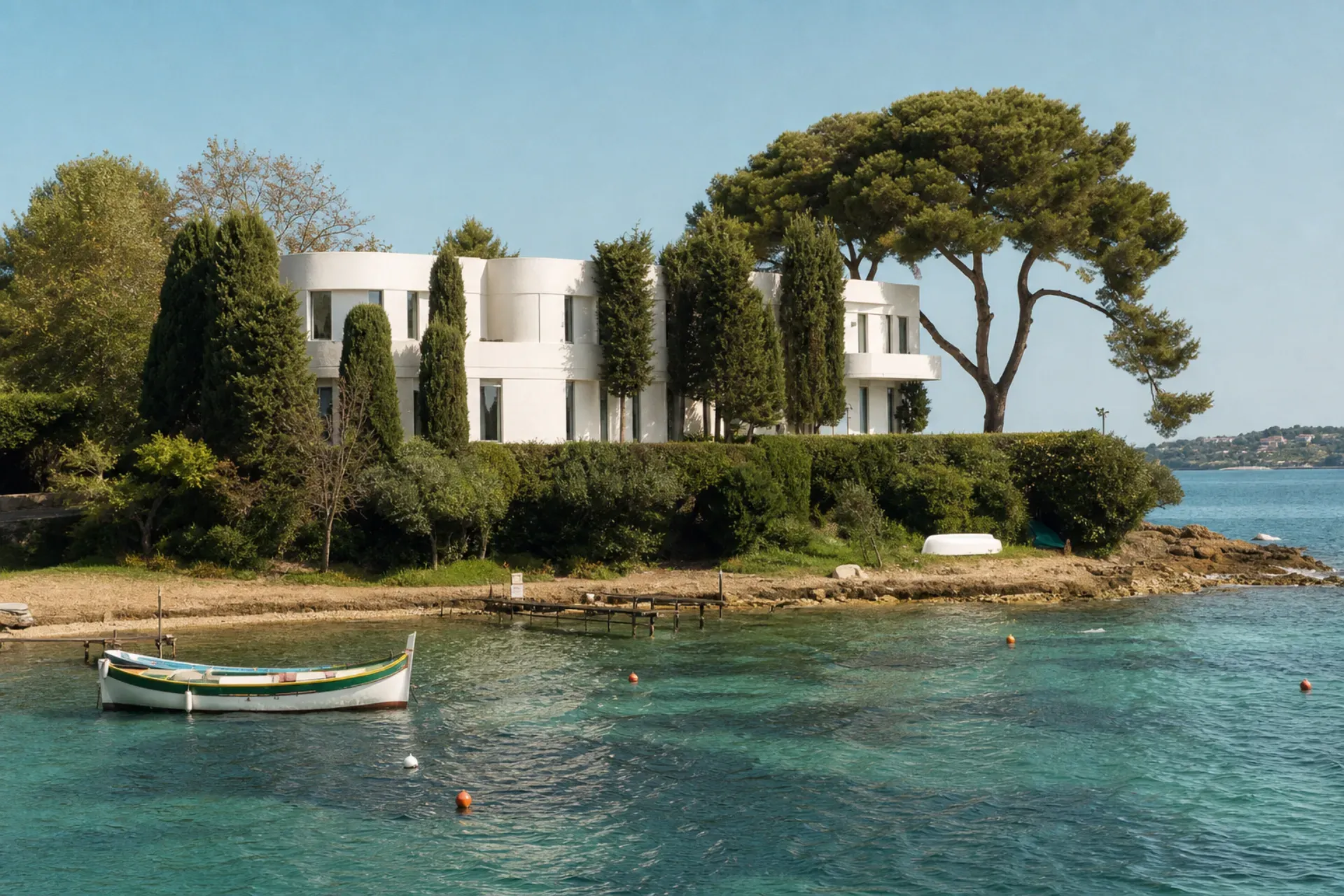
Villa Aujourd'hui
1938 · Barry DierksHistoire et données immobilières réunies sur une seule fiche
La Villa Aujourd’hui est l’une des résidences modernistes majeures de la Côte d’Azur. Barry Dierks l’a construite en 1938 pour Audrey Chadwick ; son nom exprime le caractère résolument contemporain du projet.
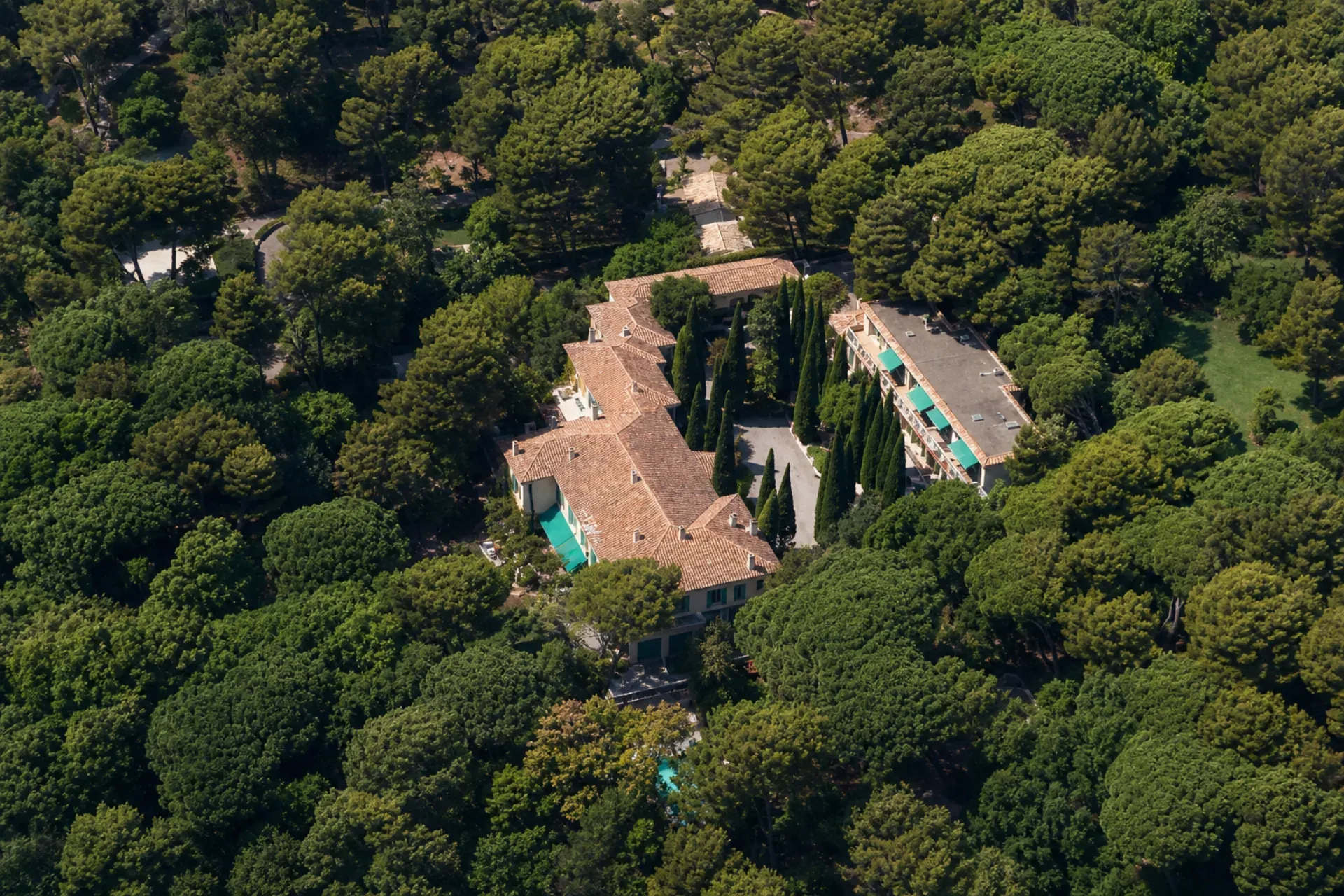
Villa Sous le Vent
1938 · Barry Dierks
La Villa Sous le Vent est la plus grande résidence conçue par l’architecte américain Barry Dierks. Commandée en 1937 par Marion Sidney Allen, elle occupe un promontoire rocheux de la façade ouest du Cap.
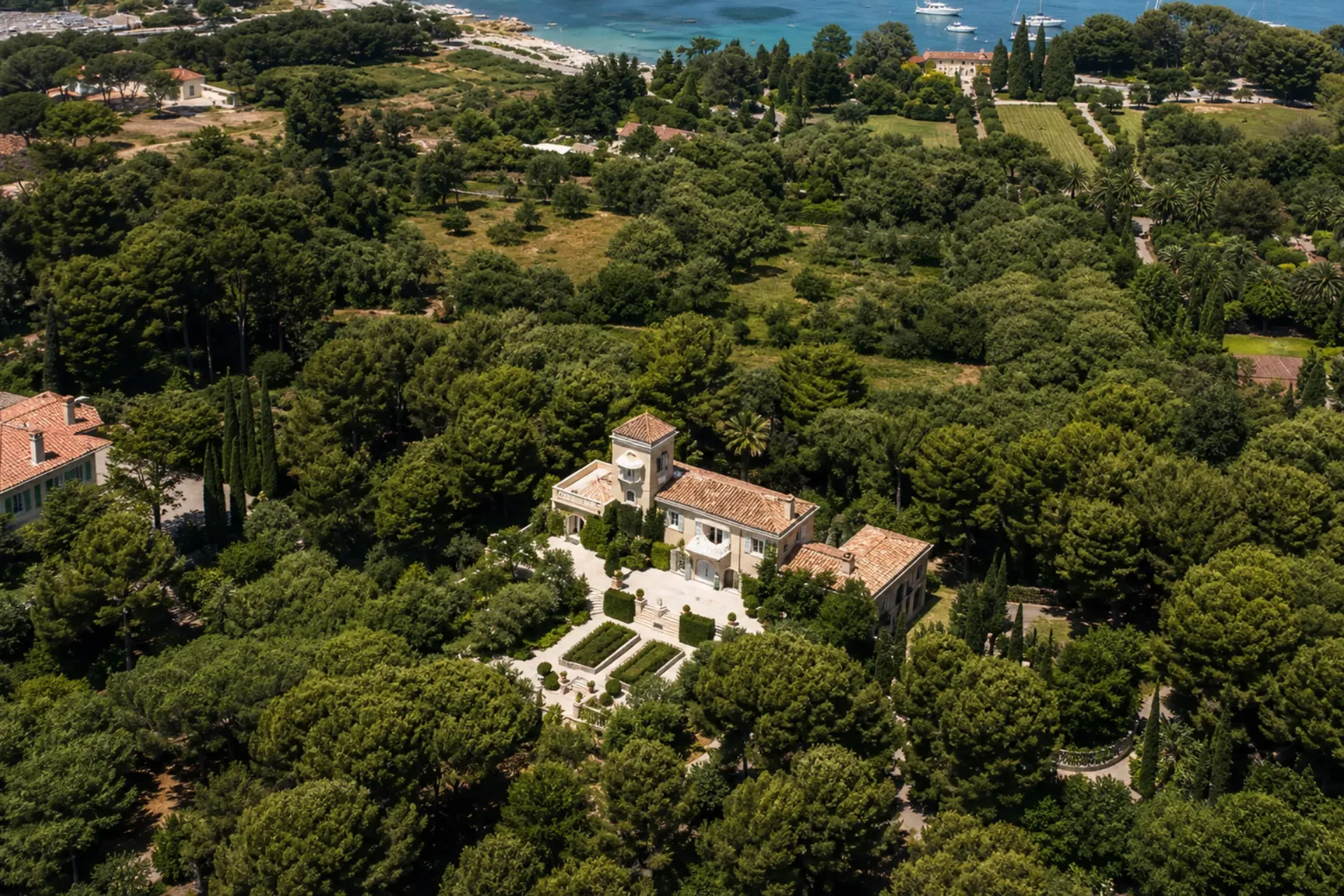
Villa Le Clocher
1910 · Barry Dierks (renovation)Histoire et données immobilières réunies sur une seule fiche
La Villa Le Clocher doit son nom au clocher voisin de la chapelle de la Garoupe. Construite vers 1910 comme pavillon du Château de la Garoupe, elle partage la position dominante de ce grand domaine.
Villas et demeures du Cap d'Antibes
Découvrez les villas dont le nom et l'adresse sont étayés par une source publique consultable.
Pour une même adresse, le nom de la villa, son histoire, les ventes et les annonces sont réunis sur une seule page.
Villas avec une adresse vérifiée
35 adresses sourcées
- L'Aiglon995 boulevard Maréchal-Juin, Antibes
- Villa BachiquelloAvenue Thalassa, Antibes
- Hôtel Belles Rives33 boulevard Edouard-Baudoin, Antibes
- Villa Bloc31 avenue Aimé-Bourreau, 06160 Antibes
- La Calade623 boulevard Maréchal-Juin, Antibes
- Villa du Cap1093 boulevard Maréchal-Juin, Antibes
- Les Chênes verts152 boulevard J.-F.-Kennedy, 06160 Antibes
- La Cigaronne1409 boulevard Maréchal-Juin, Antibes
- Château de la Croë350 chemin des Douaniers, 06600 Antibes
- Villa Duby Dubeau1401 boulevard de Bacon, 06160 Antibes
- Villa Eilenroc460 avenue Mrs-L.-D.-Beaumont, 06600 Antibes
- Château Empel29 boulevard du Cap, 06160 Antibes
- Château des Enfants161 boulevard J.-F.-Kennedy, Antibes
- La GaïoleChemin de l'Olivette, Antibes
- Château de la Garoupe180 chemin de la Croé, 06600 Antibes
- Grand Hôtel du Cap165 boulevard John-Fitzgerald-Kennedy, Antibes
- HéloïseTraverse du Pas du Diable, Antibes
- Villa Hier374 avenue Mrs-L.-D.-Beaumont, 06600 Antibes
- La Hubloterie16 chemin du Tamisier, Antibes
- Villa James31 boulevard du Cap, 06160 Antibes
- Villa Jane Andrée71 boulevard du Cap, Antibes
- Chalet Jeannette68 chemin de l'Olivette, Antibes
- Château de Juan-les-Pins62 chemin du Croûton, Antibes
- Villa Lilliput40 boulevard James-Wyllie, Antibes
- Villa Mayflower21 boulevard Maréchal-Juin, Antibes
- Médy Roc145 boulevard J.-F.-Kennedy, Antibes
- Notre Rêve5 avenue de la Salis, Antibes
- The Palm149 boulevard de Bacon, Antibes
- Villa Pamplemousse1325 boulevard Maréchal-Juin, Antibes
- Le Provençal22 boulevard Edouard-Baudoin, 06160 Antibes
- Villa Reine MargueriteChemin des Mougins, Antibes
- Villa Sainte-AnneBoulevard Maréchal-Juin, Antibes
- Villa Thuret62 boulevard du Cap, 06600 Antibes
- Villa Valrose115 avenue Henri-Duvernois, 06160 Antibes
- La Vigie30-37 boulevard Edouard-Baudoin, 06160 Antibes
Chaque fiche publiée affiche au minimum le nom de la villa, son adresse et la source utilisée.
Vous cherchez les ventes à plus d'un million d'euros ?
Le registre par adresse regroupe désormais les ventes DVF et les seuils de prix. Le registre des villas reste consacré aux noms, à l'histoire et à l'architecture.
Explorer les biens par adresse